There are many ways to take your business online. It can be through email, social media, local business listings, mobile apps or through other people’s websites.
But if you want to give your brand serious attention, having your own business website is highly recommended.
A website is your office on the internet where potential customers can visit and learn more about you. It is not much different from the way you can rent a frame for your beauty salon at Kariakoo. The only difference is that your salon in Kariakoo is physical but a website is not. It is hosted on a server. We will talk more about what are websites and how they work on our next posts.
So why is a website important to you?
Whether you are looking to promote yourself as a brand or to sell products and services, a website can do all that. Most people use the internet to search for services or products. By having a website for your business, you stand great chances of being found by potential customers who are already looking for service or a product like yours.
A website blends in with other marketing platforms
Nearly all social media platforms have space for you to add a link to your website. This is because social media bios don’t have enough space for you to display everything about your business. A website gives you enough space to showcase your company’s mission and vision statement, your team, long-form content, FAQs, customer’s testimony and portfolio of your works. This information can not be easily displayed on social media.
It acts as your office
If you can’t afford paying for office rent, a website can be your office and everything can work perfectly well. For example, you can have your products at home and open an online store where people can buy and you deliver to them. With your website, potential customers can visit you online and get to learn more about you and even make purchases. The same as someone would visit you in a physical place.
It gives you credibility
Brands with a website tend to win more trust than those without. A website includes legal documentation such as privacy policy, cookie policy as well as terms and conditions. With features like a blog, you can showcase your expertise in your industry just like we are doing here. We use our blog section to create actionable content about digital marketing that in the long run will establish us as professionals and thought leaders in the industry.
Everyone expects you to have it
It is crazy not to have a website for your business, especially in the digital world we live in. Your prospects are accustomed to visiting their favorite brand’s websites. Why shouldn’t they expect the same from you? You need a website because it is a modern thing to do and everyone expects you to have it.
It is cost-effective
It is cheaper to have a website than printing hundreds of brochures that have no real-time engagement and cannot convert customers easily. Even worse, they can end up being tossed in trash. You can also use networking events to encourage people to visit your website or use a small amount of money to run sponsored ads that bring customers to your website.
It offers a 24/7 Customer service and accessibility
A website is a great way to stay connected with your customers. Unlike physical offices where you have to close at certain times, a website is live twenty-four-seven to serve your visitors. With the rise of Artificial Intelligence, you can use automation tools like chatbots to engage and strengthen relationships with your customers.
A chance to appear on Google Search Results
People are always searching on google. They for various things like clothes, health issues, locations, restaurants, food and more. With organic reach increasingly declining on platforms like Facebook, Search is a great opportunity for your business to appear in front of countless customers who are searching for a service like yours.
You still don’t have a website in 2020? We can help you get one at the price you can manage. Check our website service page to book now.
We live in a digital world. Any business which is not online yet is probably digging its own grave. A serious business that plans to stay in the game for a long time must have a digital presence of some kind.
In Tanzania, recent data shows over 26 million people are using the internet which is about 46 percent of the country’s population. This is a very big number to ignore. If you are a business, you have no other option than to go digital.
Launching your business online, however, takes more than launching your websites, apps, or opening social media accounts, it involves having a deep understanding of your target audience.
In this article, we are taking you into the mind of your consumers. Understanding the psychology of your customers will help you align your online strategies to best suit their needs.
But first, let’s explain what Online Costumer Behavior means:
Online customer behavior is a type of behavior that is exhibited by customers while browsing websites or mobile apps in order to search, select and purchase goods and services, or interact with online content in order to fulfill their needs and wants.
Online customer behavior is sometimes referred to as online buying behavior or online shopping behavior.
The easiest way to understand Online consumer behavior is to think of your own behavior when you are interacting with websites or apps. What makes you like or dislike a website? What makes you open certain emails and ignore others? Why do you watch some videos up to the end and can’t finish watching others?
Think like a customer and ask yourself: What would YOU personally engage with?
Our team has been online long enough to be able to understand and analyze online customer behaviors that can affect your business performance. Here are the top 5 we think you must pay attention to.
Your customers are in a hurry
Whatever it is that you want to tell them, tell them fast before they leave. The modern world has expanded our range of choices. As a result, we have developed an increasingly short attention span, especially when what we are looking for is delayed or boring. Don’t waste your customer’s time with too many unnecessary words. A slow loading website is even worse. Time is of the essence! Whether it is a web page content or a social media caption, make it short and direct. If it is a video, make sure it is very short and interesting. Ensure easy navigation within your app or your website.
They are multitaskers and distracted
Our gadgets have made everyone a multitasking pro and distracted at the same time. Your customers arriving at your online store are constantly being bombarded with emails, texts from messaging apps and other subscriptions. You need to have strong attention grabbers. Things like Offers, download resources, a chat icon at the bottom side of your website. These are guaranteed to capture the attention of your visitors.
They respond to CTAs
A strong and clear call-to-action can get someone to engage on your website even when they were in a hurry. Don’t make your website looks like a static brochure filled with About Us and What We Do information, be sure to include a clear call to action. The most common CTAs include; Buy Now, Click Here, Subscribe to our newsletter, Get Started, Get Offer, and more. The CTAs will make visitors engage with your online store for a bit longer and perhaps leave their contacts for you to send them follow-ups later.
They are self-centered
Let us be honest, we are all selfish in nature. Your customers are looking for what fulfills their needs and wants. Your product or service descriptions should talk to your customer’s experience. Don’t make it all about yourself and how great your service is (we all hate to be sold at). Instead, make it all about your customers by answering their questions about that particular product or service. use You and Your more often than you use We and Our. Avoid direct self-promotion.
They are less forgiving
It takes time to grow a company’s reputation, but with the rise of online conversations, it only takes a minute for a company’s reputation to suffer.Your customers are smart and empowered with freedom of speech on social media.The last thing you want is being crucified by social media users for lying to them. Be authentic, don’t lie. People are less forgiving online than in real life. Read our Ultimate Guide to Social Media Marketing for Your Business [15 Tips]
How can you measure online consumer behavior?
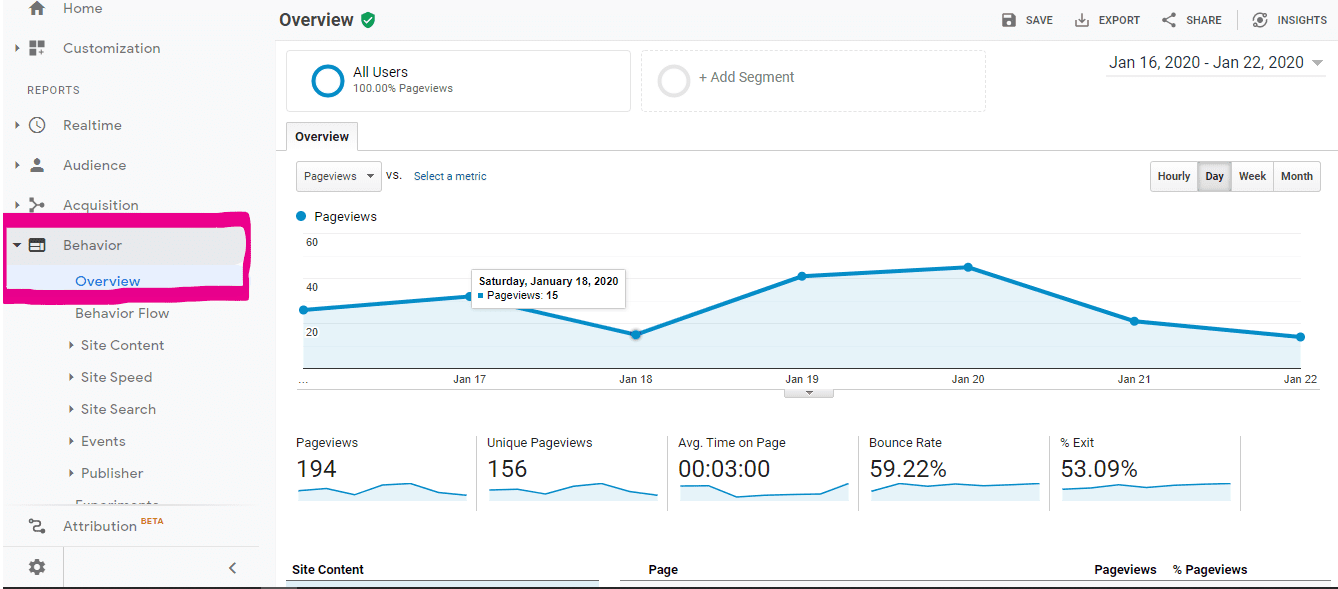
With tools like Google Analytics, you don’t need to wait for people to inform you about what is working or what isn’t on our online store, on your app or on your social media channels. Google Analytics will tell you exactly what people do when they visit your website, what time do they take, which pages they view and to what CTAs they respond to.
Google Analytics page showing an overview of website visitors’ behavior.
One of the key metrics to watch on Google analytics includes Bounce Rate, Pageview, Average Session Duration and a number of sessions. Also on YouTube, you can look at whether people are watching your video to the end or not. This information will help you make data-informed decisions to align your online marketing efforts with your consumers’ needs.
People are spending much time searching for services and products related to your business. If they are not spending time on your website, they are spending on another one’s site which offers what they need. It is time to optimize your site and tailor content that resonates with your target audience.
Mtandao wa WhatsApp umetutoa mbali sana. Kutoka kwenye status za kuandika mpaka status za picha na video. Kutoka kwenye magrupu yenye ukomo wa watu 60 mpaka sasa magrupu ya watu nyomi hadi 257.
Ni wazi kwamba mtandao wa WhatsApp umezidi kuwa bora ili kuendelea kuwafurahisha watumiaji wake. Bora ukose application zingine kwenye simu lakini si WhatsApp.
WhatsApp imekuwa zaidi ya sehemu ya kuchat na kutumiana jumbe zenye kufurahisha (meme), bali ni fursa ya kibiashara kwa wajanja.
Watu wanataka kuuza, watu wanataka kujiweka karibu na wateja wao. Wengine ndio kwanza wanafungua biashara zao wakitafuta namna ya kujitangaza. WhatsApp imekuwa kimbilio la wajasiriamali wengi wa kitanzania.
Watu wameanzisha magrupu ya WhatsApp kwa lengo la kuendesha semina na mafunzo mbalimbali. Kuendesha vikundi vya kukopeshana, maarufu kama ‘vikoba’. Vilevile magrup haya yanatumika kuhamasisha watu kujumuika kwenye matamasha na warsha mbalimbali.
Siku hizi hata vikao vya Sendoff na harusi vinaendeshwa kwenye magrupu ya WhatsApp. Kama bado umejiunga kwenye magrupu ya kipuuzi, basi umebaki wewe tu na wapuuzi wachache. Wenzako tunasaka fursa!
Yani siku hizi kupata namba ya mtu ni rahisi sana kwa sababu anajua baadaye utaona matangazo ya biashara yake kwenye status. Wala si kwa ubaya, ni katika harakati za kutafuta masoko na kujipatia riziki. Wewe ambaye huna cha kutangaza usione kero.
Hatufahamu ni mazuri yapi mengine wamiliki wa mtandao wa WhatsApp wametuandalia, lakini kizuri kimojawapo ni kuhusu application ya WhatsApp Business.
WhatsApp Business ni nini na ina tofauti gani na WhatsApp ya Kawaida?
Kwanza kabisa, WhatsApp Business ni application halali inayomilikiwa na kampuni ya WhatsApp Inc. Hii sio kama zile WhatsApp GB na zinginezo (not a third-part App) ambazo huwa zinakataliwa. Hii ni maalumu kwa wafanya biashara na wajasiliamali wanaotaka kupromote biashara zao pamoja na kuimarisha mahusiano na wateja wao. Lakini hata wewe usiye na biashara unaweza kuitumia kwa mawasiliano ya kawaida.
Makampuni kama Bloomberg na Mwananchi wanatumia WhatsApp Business API (huduma advanced hii ni huduma ya kulipia) kutuma updates kwa subscribers wao moja moja kwenye inbox zao.
Sasa tuiangalie WhatsApp Business kiundani zaidi. Vitu ambavyo utavipata ndani yake ni kama ifuatavyo;.
Business profile
Ujumbe automatic wa salamu
Customer Management
Takwimu/statistics
Majibu ya haraka (quick replies)
Business Profile
Ukiangalia profile ya mtu anayetumia WhatsApp Business utaona ina muonekano tofauti na ile ya kawaida. Hapa utaona vitu kama jina la biashara, maelezo ya biashara (business description), location pamoja na siku na masaa anayofungua biashara yake. Hivi ni vitu ambavyo huwezi kuviona kwa mtu anayetumia WhatsApp ya kawaida.
Customer Management
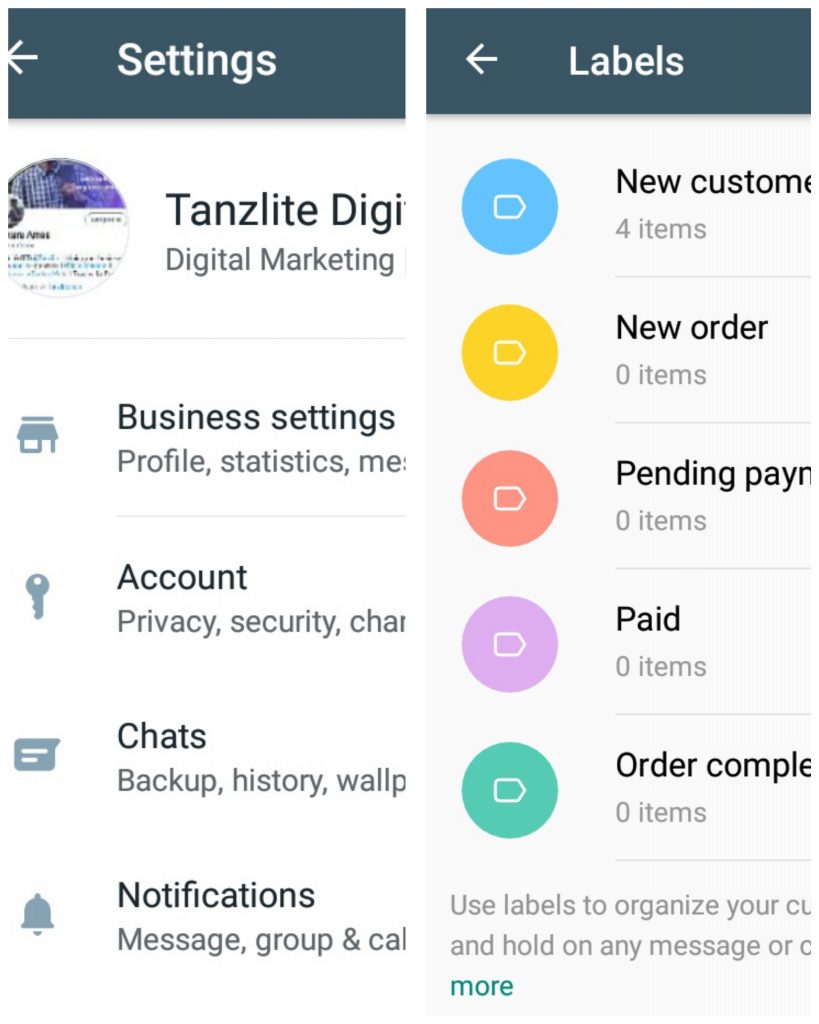
Hapa unaweza kuchambua na kupangilia namba za WhatsApp ulizonazo katika makundi mbalimbali ya wateja. Kwa mfano unaweza kumwekea alama (label) kama vile mteja mpya, aliyelipa, asiyelipa, aliyetoa oda mpya na aliyemaliza oda yake.
Ujumbe Automatki wa Salamu
Hapa unaweza kutengeneza ujumbe wa salamu utakao kuwa ukitumwa kwa kila anayekutumia meseji. Ili kuondoa kero na usumbufu, ujumbe huu hutumwa endapo tu hamjawasiliana kwa kipindi cha siku 14. Ujumbe huu wa salamu unaweza kuwa unaelezea kwa ufupi juu ya shughuli unayofanya. Ni namna ambavyo wewe utapenda iwe.
Takwimu
Katika application ya WhatsApp Business, unaweza kupata takwimu kuhusu meseji ulizotuma. Utaweza kuona idadi ya meseji ulizotuma, zilizofika na zilizosomwa.
Quick replies and away message
Sikushauri utumie sana hii feature kwani humfanya mtu ajisikie kama ana wasiliana na roboti badala ya mtu. Kama namba yako ya mawasiliano ya kawaida ndiyo hiyo hiyo unatumia kwa biashara zako bora usitumie hii setting kwani si kila mtu ni mteja wako.
Jinsi ya kuwezesha WhatsApp Business
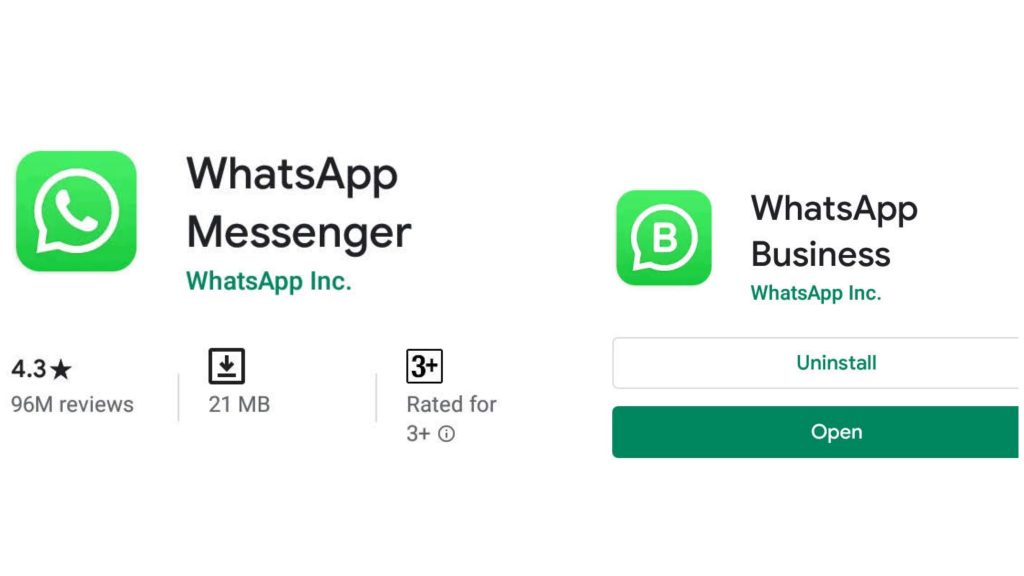
Ni rahisi sana kuseti business profile kwenye application ya WhatsApp Business. Unachotakiwa kufanya ni kwenda Playstore ama Appstore na kudownload WhatsApp Business. Baada ya hapo fungua application na uende kwenye Settings.
Kama unatumia android bofya kwenya vidoti vitatu upande wa juu kulia >Settings > Business settings > Hapo utaona setting zote unazotaka kufanya.
Mwisho…
Dunia ya sasa ni dunia ya kujiuza (simaanishi kujiuza unakofikiria wewe). It is all about branding yourself. Kama hutokuwa na ujasiri wa kusimama na kuonyesha ujuzi na maarifa yako, unataka nani akufanyie hivyo?
WhatsApp ni moja kati ya jukwaa zuri kuji-brand. Mara moja moja si mbaya kupost utani (meme) lakini isiwe kila siku wewe ni wa kupost upuuzi tu. Usifikiri ni utani tu, people are more likely to associate you with the things you post online. Jenga taswira chanya ili uweze kuvuta fursa zije upande wako.
Originally written in 2019. Updated with reflections from 2025.
On November 27, 2019, Jumia announced it would cease operations in Tanzania. Africa’s e-commerce giant pulled out from a market of 23 million internet users, citing a need to focus on countries where they could bring “the best value.”
At the time, Business Insider reported heavy losses across the group, and Tanzania wasn’t alone — Cameroon was also shut down.
The big question then was: Does this prove Tanzania is too difficult for digital business? Or was Jumia’s model simply flawed?
Back in 2019, we concluded: both.
Tanzania had the users but not yet the digital habits. Many were still climbing the ladder of online literacy — confusing “Sign In” with “Sign Up,” uneasy with filling forms, wary of online payments. The cultural pull of face-to-face shopping was (and still is) strong.
But Jumia also failed to humanize its brand. The platform’s local presence felt transactional, not relational. The Instagram feed was full of promotions, not people. Few customer testimonials, no vendor stories, no cultural touchpoints. Trust — the real currency of e-commerce in Africa — was missing.
We wrote then: The rule of thumb for 2020 is not about advertising and branding, it’s about building great customer experience.
Five years later, the point holds — but the lens is sharper.
What We’ve Learned Since
Jumia’s retreat fits into a wider pattern. Well before 2019, foreign supermarkets like Uchumi, Shoprite, and Game also exited Tanzania. The reasons sound familiar: low purchasing power, weak middle-class base, store locations that didn’t match commuter flows, and a lack of cultural resonance. Local supermarkets like Shoppers Plaza and Shrijees thrived because they knew how to blend convenience, local sourcing, and familiarity.
The parallel with e-commerce is striking. Just as shoppers stuck to neighborhood dukas instead of malls, digital buyers in Tanzania often prefer WhatsApp sellers, informal Facebook pages, or direct calls over polished apps. The trusted middle layer — the boda guy, the family shop, the WhatsApp vendor — still mediates commerce.
Foreign entrants who succeed here do three things differently:
Localize, don’t transplant. They adapt business models to local payment behaviors, delivery realities, and cultural trust gaps.
Blend offline with online. Digital isn’t a replacement channel; it’s an amplifier of existing buying habits.
Tell human stories. In markets where trust is scarce, stories carry more weight than discount codes.
The Deeper Lesson
Looking back, Jumia’s failure wasn’t just about digital literacy or unit economics. It was about market fit. Success in East Africa isn’t about scaling fast with imported playbooks. It’s about embedding yourself in local culture, supply chains, and consumer psychology.
That’s what Uchumi, Shoprite, and Jumia misread — and what local players keep proving true.
For any business eyeing Tanzania today, the question isn’t “How big is the internet penetration?” It’s: Do you understand the trust dynamics, buying patterns, and cultural rhythms of this market well enough to design for it?
That’s the enduring insight from Jumia’s exit. And it’s why businesses entering East Africa need more than market data. They need local strategy, cultural literacy, and go-to-market creativity rooted in reality.
Teknolojia imeleta mambo mengi. Mojawapo ni kuibuka kwa kazi ambazo hazikuwepo kabla. Vilevile imeweza kubadili namna ya utendaji kazi wa kazi nyingi tulizozizoea na kuzifanya ziwe tofauti kabisa. Teknolojia imeathiri kila kitu.
Moja kati ya taaluma mpya zilizoweza kuibuka kutokana na maendeleo ya sayansi na teknolojia ni taaluma ya kutafuta masoko na kuuza bidhaa au huduma kwa njia ya kidigitali (Digital Marketing). Taaluma hii kwa hapa nchini Tanzania bado ni ngeni na wengi hawaifahamu. Hata vyuo vyetu bado havijaanza kufundisha somo hili ipasavyo. Lakini sio jambo la kushangaa kwani ni jambo la kawaida kwa vyuo vyetu kuachwa nyuma na kasi ya mabadiliko ya teknolojia.
Digital Marketing ni nini?
Mara nyingi ninapojitambulisha kwamba ninafanya digital marketing, wengi huniuliza maana ya digital marketing.
Katika makala hii utaweza kufahamu maana ya Digital Marketing pamoja na kufahamu sehemu unayoweza kujifunza elimu hii bure kabisa na kupatiwa cheti kinachotambulika duniani. Kama wewe ni mfanyabiashara unayetamani kuingia kwenye ulimwengu wa kutafuta masoko kidigitali au unataka kujifunza Digital Marketing kama taaluma basi makala hii inakuhusu. Twende sambamba.
Kwa tafsiri ya kawaida, Digital Marketing inaweza kutafsiriwa kama;
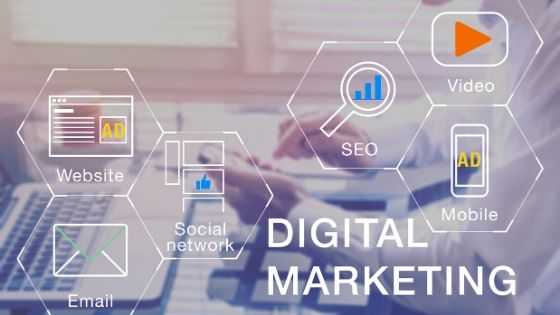
Utafutaji masoko, kuuza pamoja na kutangaza bidhaa au huduma kwa kutumia majukwaa ya kidigitali (online platforms) kama vile mitandao ya kijamii na tovuti.
– Tanzlite
Angalia maana kutoka kwenye mtandao hapa chini;
The use of numerous digital tactics and channels to connect with customers where they spend much of their time online
– HubSpot
The marketing of products or services using digital technologies, mainly on the internet, but also including mobile phones, display advertising, and any other digital medium
Digita Marketing kwa majina mengine huitwa Internet Marketing, e-commerce au Online Marketing.
Kwanini digital marketing ni muhimu?
Sababu zinaeleweka. Siku hizi kila mtu yuko online. Kila mtu yuko kwenye mitandao ya kijamii kama vile Facebook, Twitter, Instagram na mingineyo. Mitandao imejaa watu. Wakiwemo wateja wa bidhaa yako.
Hii ina maana gani kwa wafanyabiashara?
Wafanyabiashara na wajasiriamali wanatakiwa kujiongeza. Siku hizi mambo ni digitali, hivyo biashara nazo hazina budi kuendeshwa kidigitali. Hauwezi ukaweka mabango barabarani au kubandika kwenye magari wakati watu wanatumia muda mwingi kutazama kwenye simu janja zao.
Hata redio na televisheni zimekuwa hazitumiwi sana na watu. Siku hizi ni mwendo wa YouTube na muziki wa kudownload. Kila kitu kiganjani.
Kama mfanyabiashara unaekwenda na wakati, ni lazima kuingia kwenye ulimwengu wa uuzaji na utafutaji masoko kidigitali. Wateja wako wapo Instagram na Facebook kwanini wewe usiwepo?
Vipengele vinavyo husisha Digital Marketing
Ukisikia digital marketing, mara nyingi Inahusisha vipengele vifuatavyo;
1. Kutafuta masoko kupitia mitandao ya kijamii (Social Media Marketing)
Hili ndio swala ambalo watu wengi humaanisha wakiongelea Digital Marketing. Makampuni mengi yamefungua akaunti za mitandao ya kijamii kwa lengo la kujiweka karibu na wateja wao pamoja na kupata wateja wapya, kujenga mahusiano mazuri na wateja wao pamoja na kuzungumza nao wanapokuwa na maswali.
Kupitia mitandao ya kijamii, kampuni hutengeneza maudhui kwa mfumo wa picha, video au maandishi ili kuwafahamisha wateja kuhusu huduma za kampuni, kutoa ofa na promosheni mbalimbali kwa wafuatiliaji wake (followers) Fahamu zaidi kuhusu kazi ya social media na majukumu yake hapa.
2. Uuzaji kupitia barua pepe (Email marketing)
Umeshawahi kuambiwa Subscribe to our newsletter? Basi hicho ndio kitu tunaongelea hapa kwa haraka haraka. Barua pepe ni mtandao mkongwe ambao umekuwepo kwa miaka mingi sasa. Wafanyabishara huomba kukusanya barua pepe za watembeleaji wa tovuti zao ili baadaye waweze kuwashirikisha juu ya fursa na ofa mbalimbali za kampuni husika.
Kwa kuwa watu wengi wanatumia simu za mkononi, barua pepe hazina budi kuandaliwa katika muonekano unaofaa kwenye simu (mobile friendly). Bila kufanya hivyo ni bora usitumie njiaa hii kwani email zako hazitasomwa na utawafanya wateja kujiondoa (unsubscribe) kwenye orodha ya mawasiliano yako.
3. Kujitangaza kupitia Tovuti (Website)
Tovuti ndio njia kuu ya kupeleka biashara yako online. Kama ulivyofungua duka la nguo pale Kariakoo, basi unaweza ukalihamisha duka hilo hilo ukalipeleka mtandaoni na wateja wanaweza kukutembelea, kuchagua nguo na kufanya manunuzi bila kufika dukani kwako Kariakoo. Maajabu sio? Fikiria tovuti kubwa kama vile alibaba au eBay. Au hata tovuti za ahapa nyumbani kama vile Kupatana. Jaribu kuwa na tovuti yako ujionee faida zake. Hakikisha website yako ni nyepesi kufunguka, na inapendeza kwenye simu za mkononi.
4. Matokeo ya haraka (Search Engine Optimization)
Kuweka biashara yako mtandaoni si swala la kufungua tovuti tu. Bali tovuti yenye ubora unaotambuliwa na injini za utafutaji (Search Engines). Hii inajumuisha mambo kama maudhui (content) unayoweka kwenye tovuti na ubora uliotumika kujenga tovuti yako (programming). Tovuti iliyojengwa vibaya haiwezi kuoneshwa kwenye matokeo ya utafutaji (Search Results) hivyo kukufanya usiweze kujulikana na kupelekea kukosa wateja.
Fanya utafiti mdogo kuangalia kama tovuti yako inatambuliwa (indexed) na injini ya utafutaji ya Google kwa kuingiza maneno yafuatayo kwenye sanduku la kutafutia (Search bar) site:yourdomain
Mfano; site:tanzlite.com
Hakikisha matokeo yatakapoletwa na Google yanaonyesha kurasa (pages) zote zilizopo kwenye tovuti yako. Usipoona kitu ujue una kazi ya kufanya.
5. Matangazo ya Kulipia (Sponsored Ads)
Kama umeshawahi kukutana na post ya page ambayo huja-follow imeandikwa “Sponsored”, basi hayo ndiyo matangazo ya kulipia. Ni aina ya digital marketing ambapo unatumia pesa kufikisha tangazo lako kwa watu wengi zaidi. Hii ni inasadia kwa mwenye biashara ambaye ndiyo anaanza kuweza kufikia wateja kwa muda mfupi sana.
Unaweza kutumia matangazo ya Facebook, matangazo ya Instagram, Google n.k. Habari njema ni kwamba matangazo haya hayana gharama sana; mfano Facebook na Instagram watakudai dola moja tu kwa siku kama kiwango cha chini cha matumizi.
6. Matangazo mguso (Paid Per Click Ads)
Yanaitwa matangazo mguso kwa sababu malipo hufanyika mara tu mtu anapo bofya tangazo lako. Hii ni aina ya kutangaza bidhaa au huduma kwa kununua maneno maalum (keywords) yanayohusu bidhaa yako ambapo mtu akitafuta kwa kutumia maneno hayo, biashara yako inaweza kuoneka juu kwenye matokeo ya utafutaji (search results)
7. Graphic design
Ukiingia WhatsApp au kwenye mitandao mingine ya kijamii, utakutana na picha zilizonakshiwa kwa maneno na rangi nzuri. Hii kitaalamu Graphic design (sijui kwa Kiswahili tunaitaje). Basi kila mwenye brand au mwenye event yake anataka kuporomote kwa nakshi zenye kuvutia macho ya watu na kuwashawishi kuisambaza (share) kwa wenzao.
8. Kutangaza biashara kwa njia ya video (video marketing)
Ukiondoa Google, ni search engine gani nyingine ya pili kwa ukubwa? Je ni Bing? Au Yahoo? Jibu ni YouTube. Watu wanaangalia video kwa wingi sana siku hizi . Kwa mfanyabiashara mjanja hii ni fursa kubwa. Unaweza kutumia video kuonyesha ujuzi wako katika huduma unayofanya au kuwaonyesha watu kuhusu mambo yanayojiri ofisini kwako. Pia kutangaza biashara yako YouTube si lazima uwe na video clip, —nitalifafanua hili kwa undani zaidi katika makala zijazo.
9. Kutangaza biashara kupitia watu wenye ushawishi mtandaoni (Influencers)
Watu maarufu mtandaoni wana nguvu ya kushawishi na kuweza kubadili mtazamo wa watu juu ya jambo fulani. Hivyo makampuni na brand mbalimbali zinatumia watu kama hawa kutangaza biashara zao na kufikia watu wengi. Hapa Tanzania kuna watu kama Idris Sultani ambaye ni balozi wa kampuni ya Uber.
Kukua kwa influencer marketing kumekuja kwa sababu kuu moja; mitandao ya kijamii ni watu, na watu wanapenda kushiriki (interact) na watu wenzao kuliko kampuni. Hivyo makampuni yanajitahidi kuwa karibu na watu kwa kuwatumia watu maarufu kukuza biashara zao.
Wapi unaweza kujifunza elimu ya Digital Marketing
Elimu ya Digital Marketing ni moja kati ya elimu ambayo mtu hauhitaji kuwa na degree ya miaka mitatu chuoni. Lakini faida zake ni kubwa hasa katika kipindi hiki ambacho wahitimu wanatoka vyuo wasijue nini cha kufanya mtaani. Nikushauri leo, anza kujifunza Digital Marketing. Hapa chini nimeorodheasha sehemu tatu ambazo unaweza kusoma online course za digital marketing na mambo mengine mengi.
Ingia mtandaoni leo, chagua kozi na uanze kusoma. Ukikwama mahali au ukihitaji ufafanuzi zaidi, usisite kuwasiliana nasi. Namba zetu zipo kwenye tovuti hii ukurasa wa mawasiliano. Pia tutaendelea kutoa mafunzo kuhusu Digital Marketing kupitia mfululizo wa makala zetu za Kiswahili na Kiingereza.
Uliyojifunza kwa Ufupi
Digital Marketing ni utangaza na kuuza bidhaa au huduma mtandaoni (mitandao ya kijamii, tovuti, SEO, barua pepe, matangazo ya kulipia).
Kwa nini ni muhimu: Wateja wako wako online. Ni nafuu, inafikia watu wengi, na matokeo hupimika kwa urahisi.
Vipengele vikuu: Social Media Marketing, SEO, Email Marketing, Tovuti, Paid Ads, Video, Influencer Marketing.
Mazingira ya Tanzania: Mitandao ya kijamii kama Facebook, Instagram, na WhatsApp ndio injini kuu za ukuaji.
Wapi pa Kujifunza: Google Digital Skills for Africa, HubSpot Academy, LinkedIn Learning, na makala za Tanzlite Digital.
Hitimisho
Digital Marketing ni habari njema kwa biashara za karne ya 21. Ni njia rahisi ya kujitangaza, kuuza na kujipatia wateja kwa urahisi. Mara nyingi unaweza kufanya bila hata gharama yoyote. Kwa wewe unayehitaji maarifa mapya yasiyo na ushindani mkubwa kwa sasa, jaribu hii fursa. Makala zinazofuata tutaelezea kiundani kuhusu mambo haya ambayo tumeyagusia kwa muhtasari.

![Give Your Business Extra Confidence With a Website [7 Reasons Why You Need It]](https://www.tanzlite.com/wp-content/uploads/2020/02/reasons-why-you-need-a-business-website.jpg)